Sale!
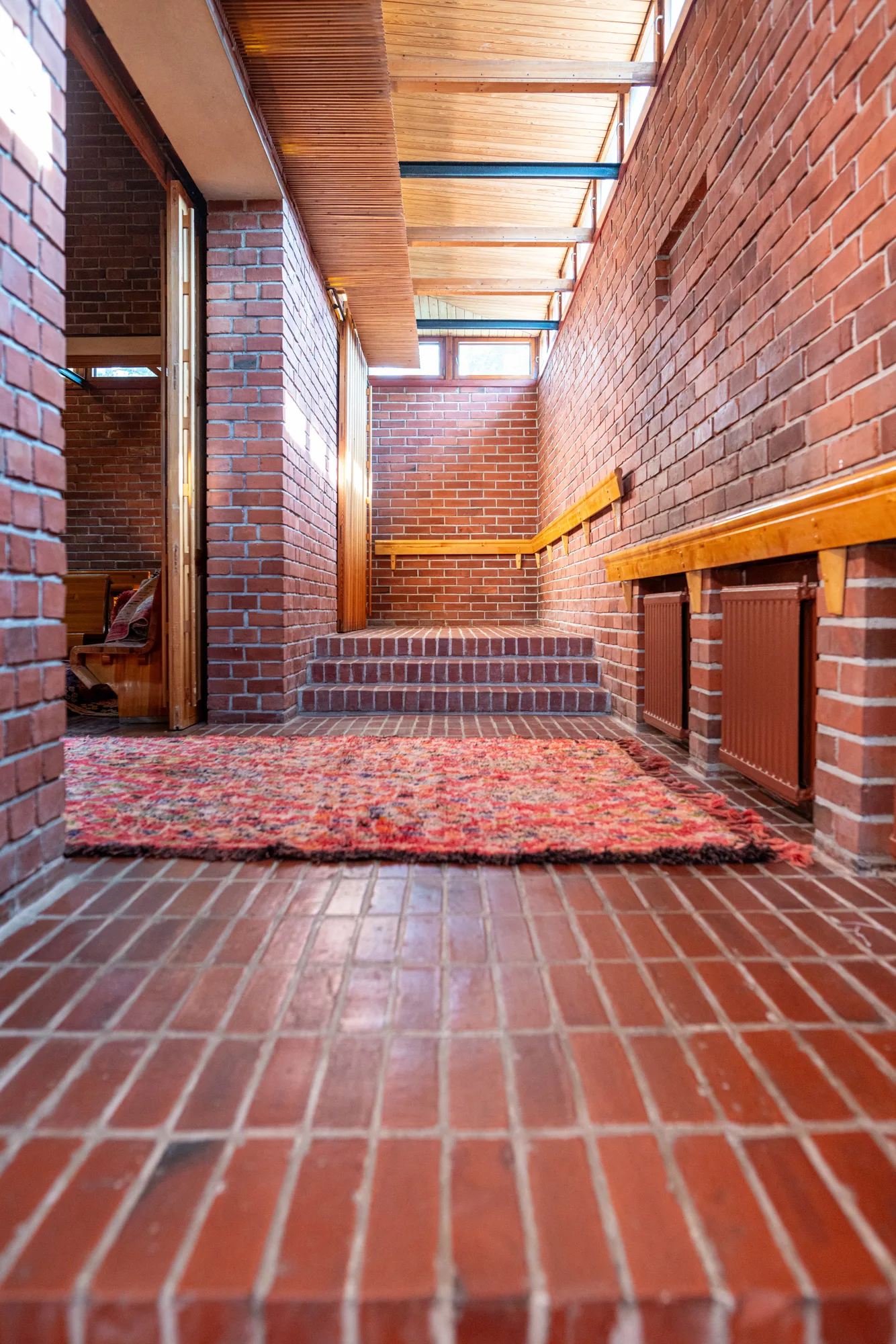
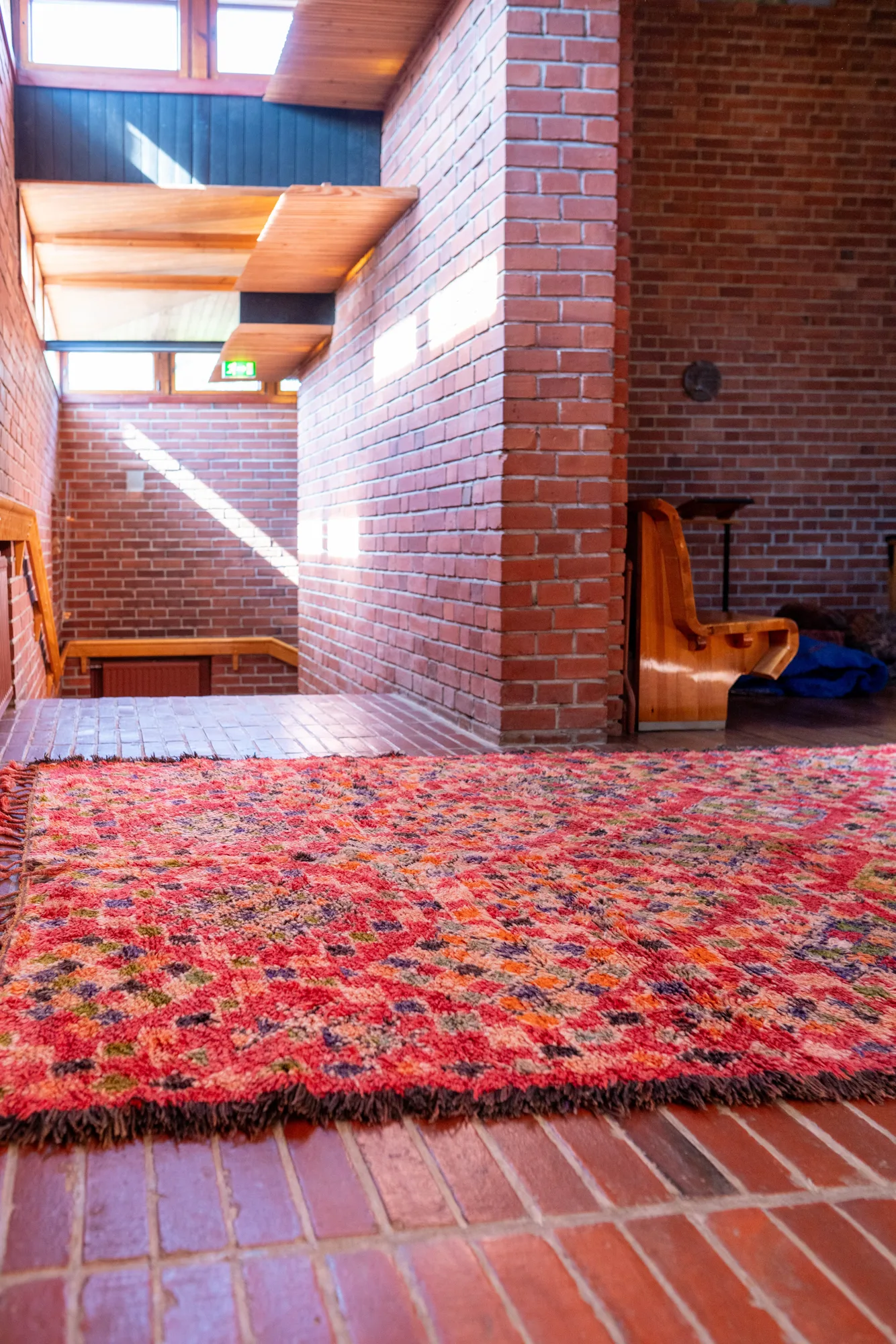
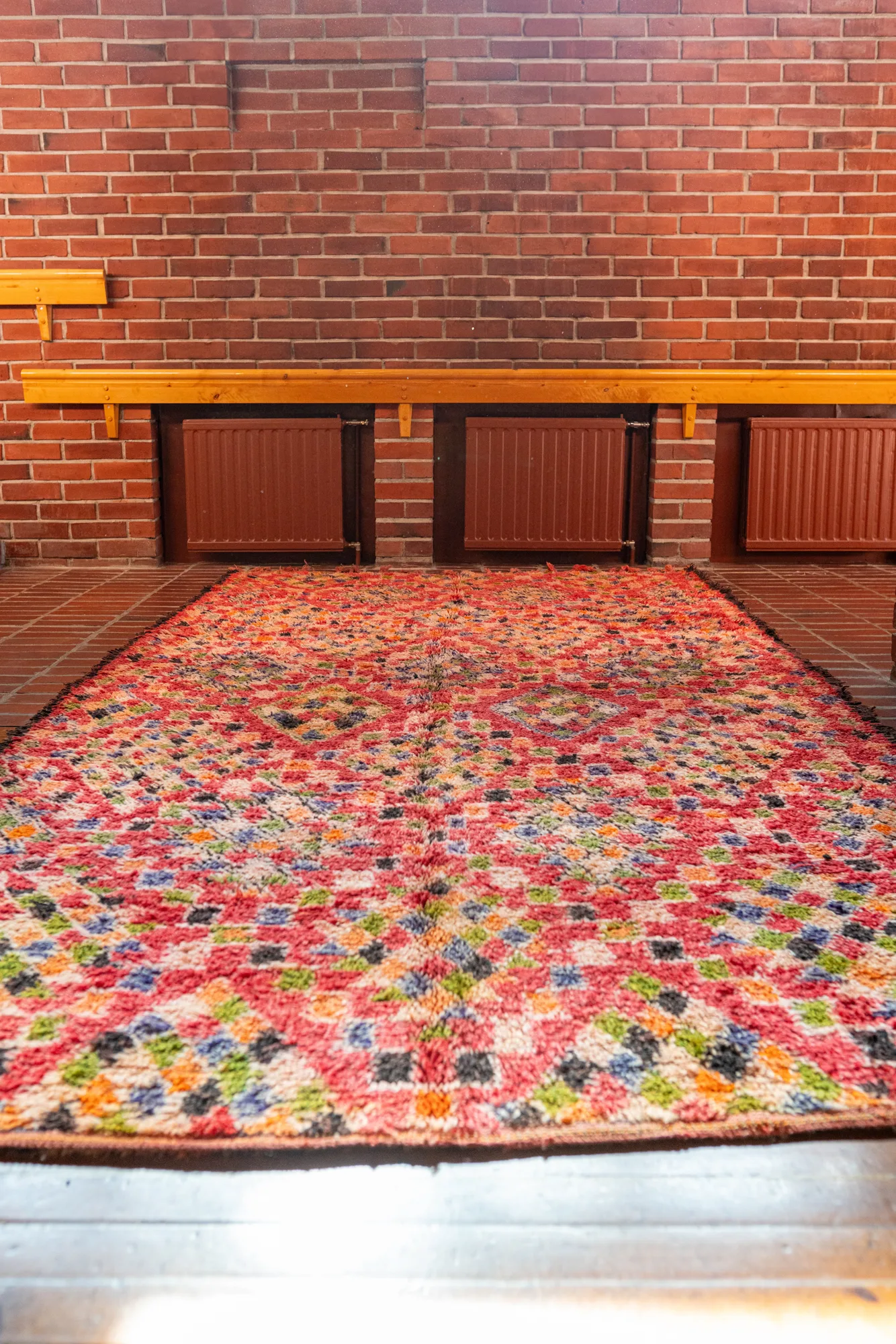
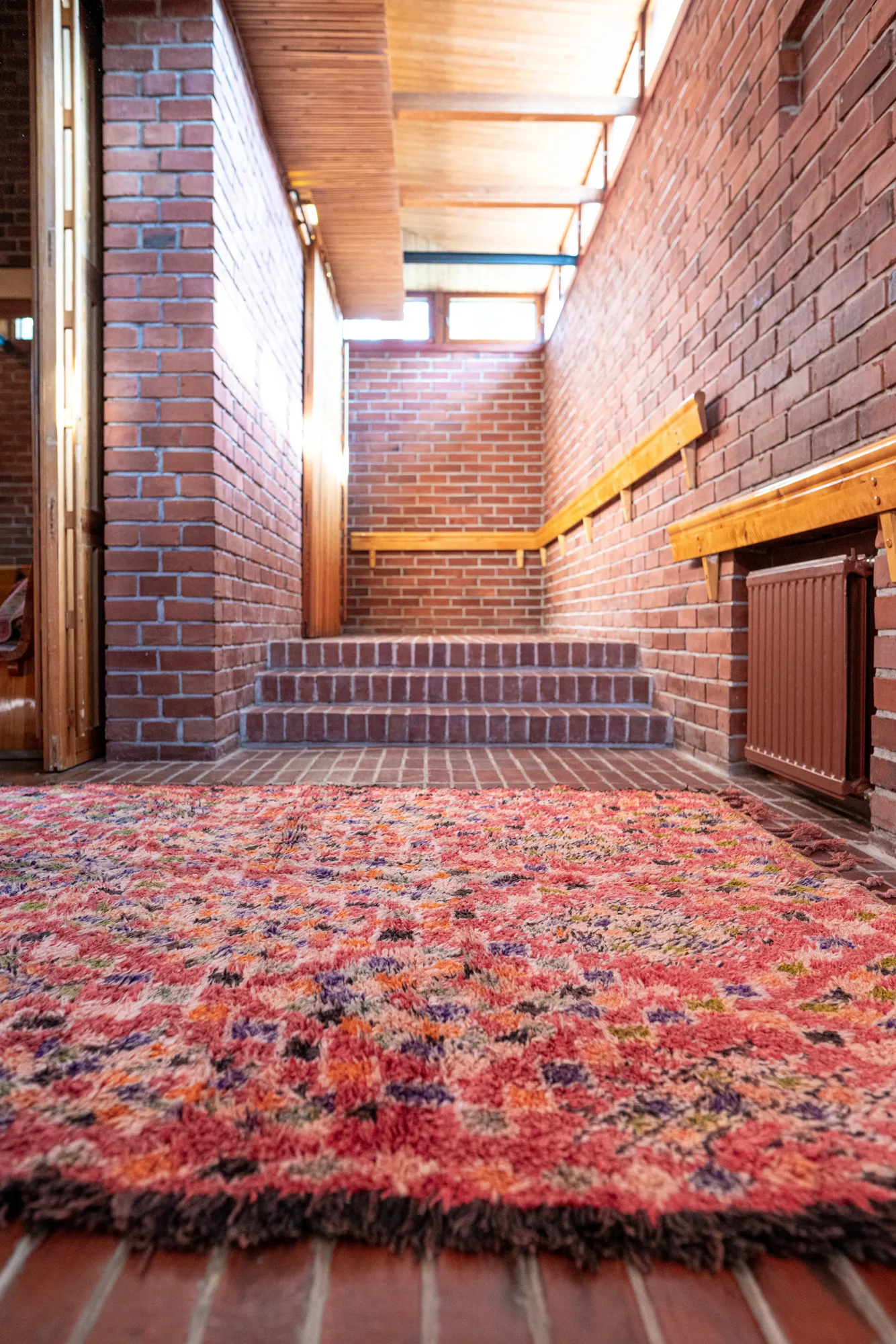
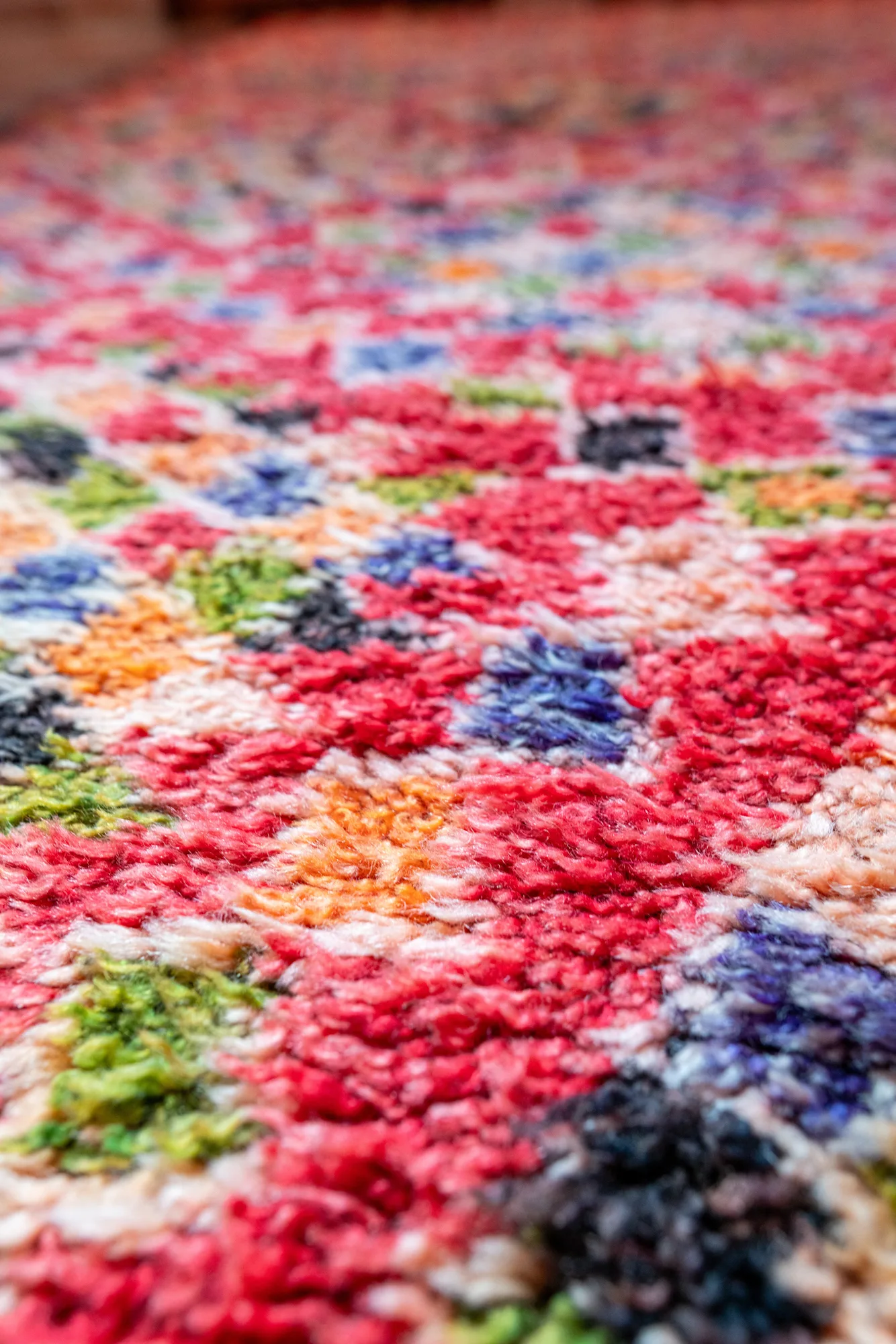
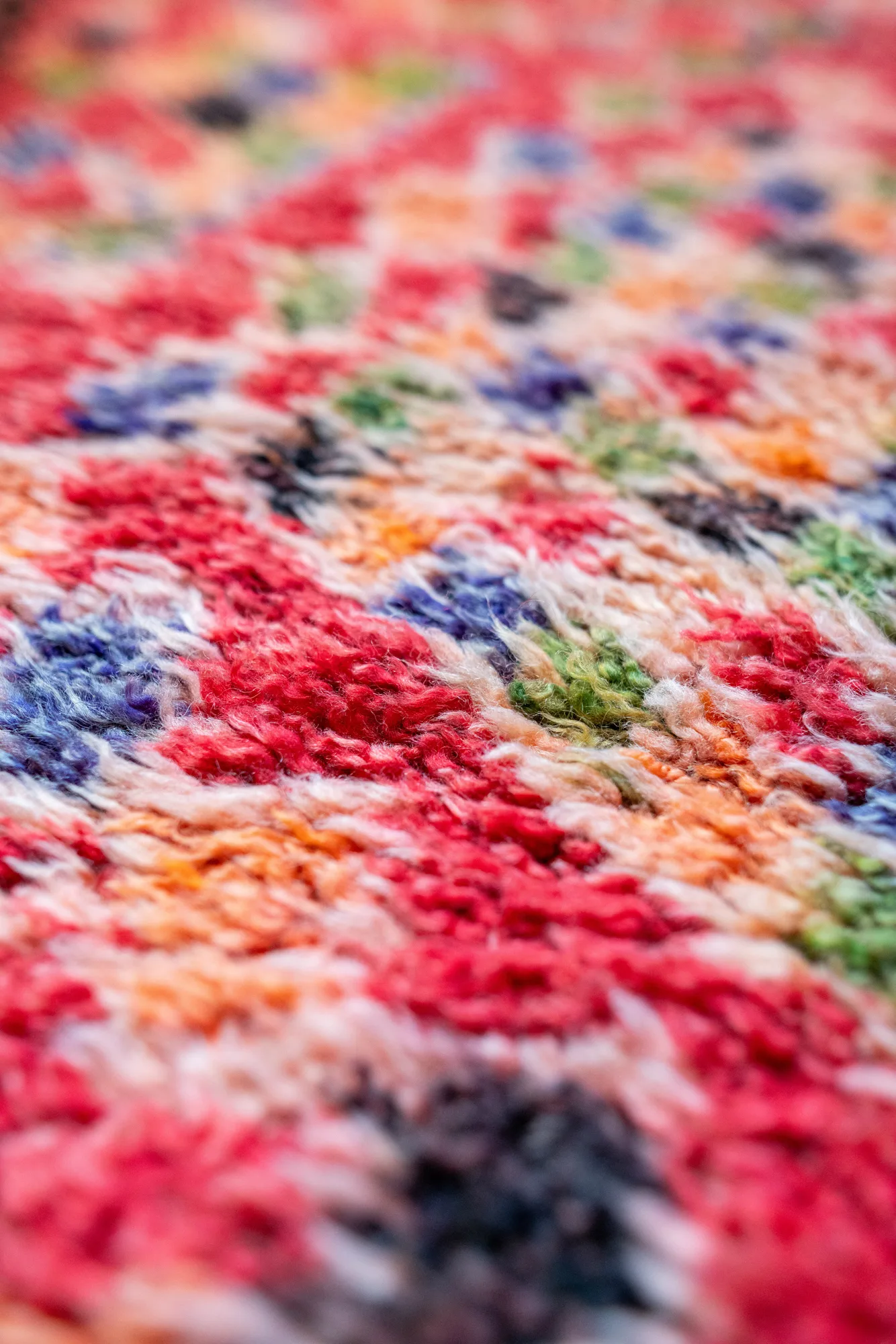
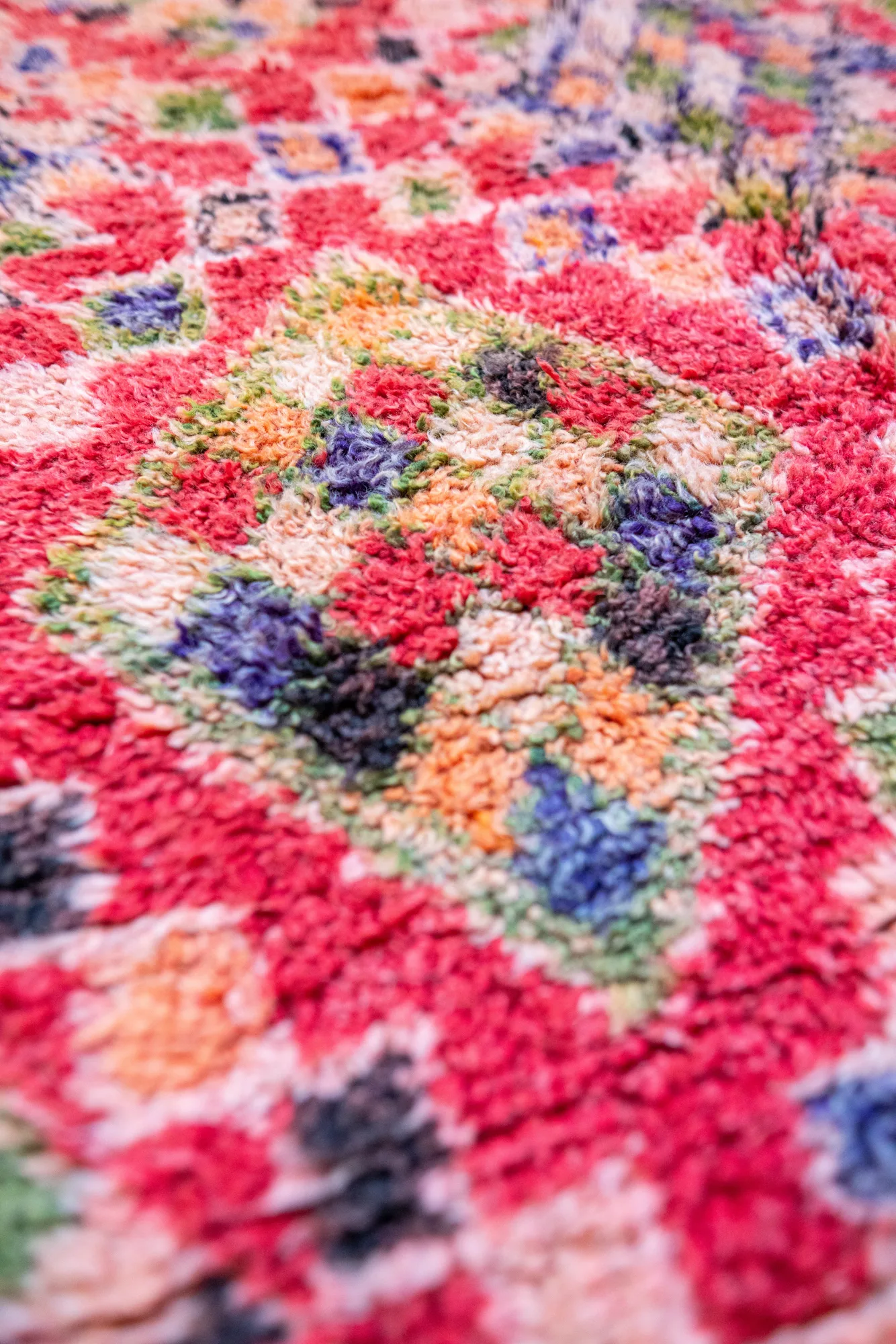
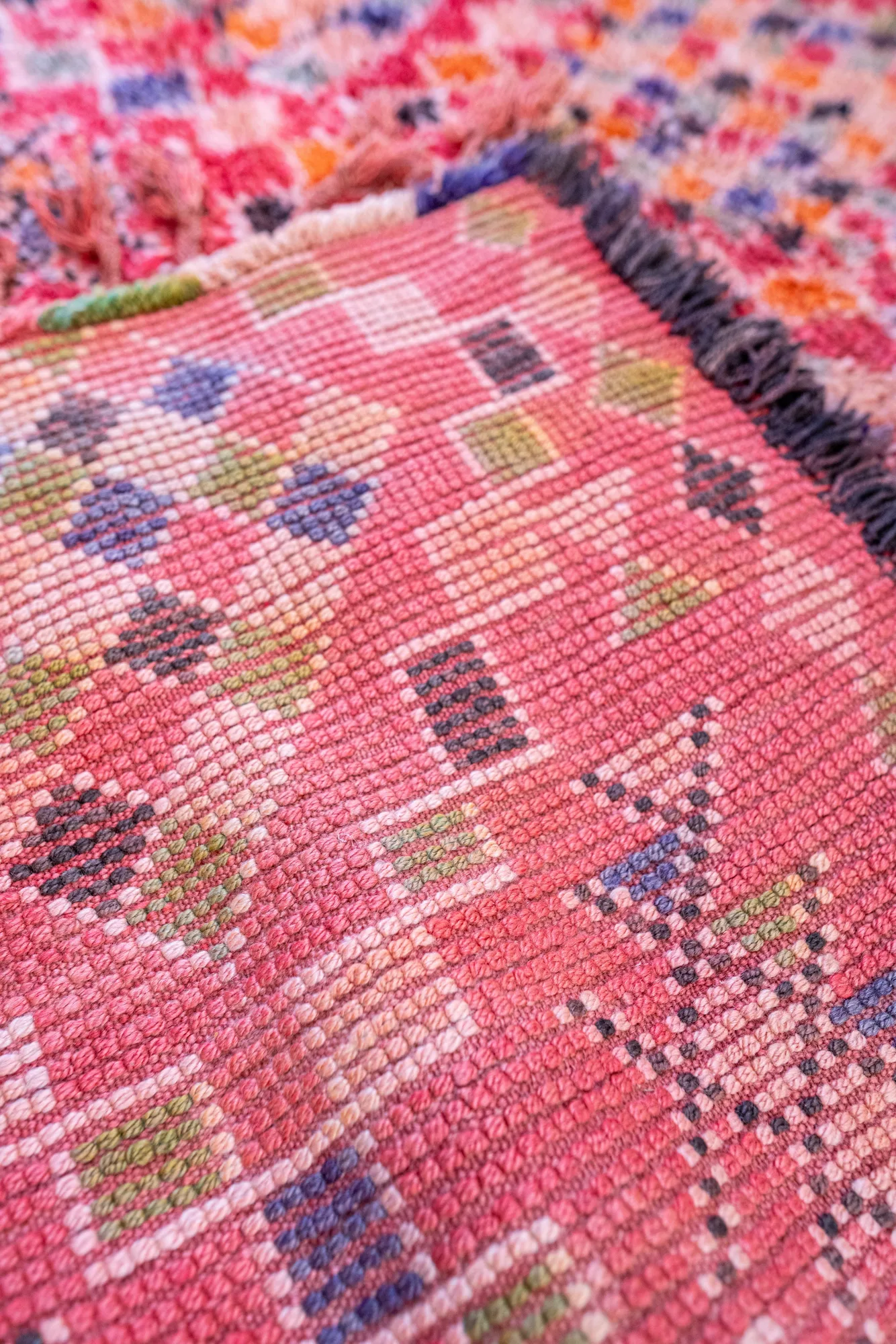
Guerrouane Rug “Vivant” 205x330cm
Original price was: 2 390,00 €.1 690,00 €Current price is: 1 690,00 €.
Out of stock
Vintage Guerrouane Rug “Vivant” 205x330cm
Tribe: Guerrouane
Estimated age: 70 years
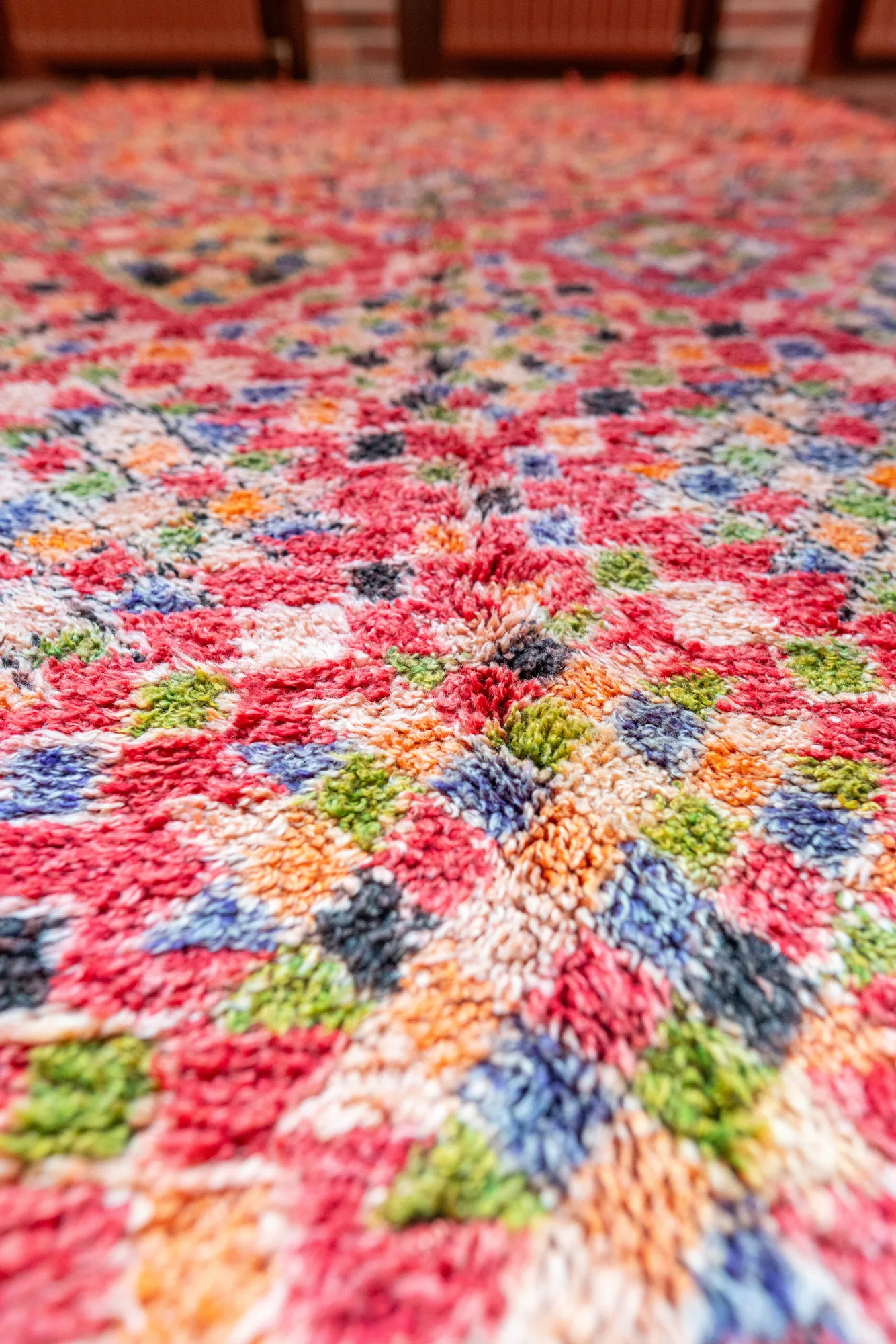
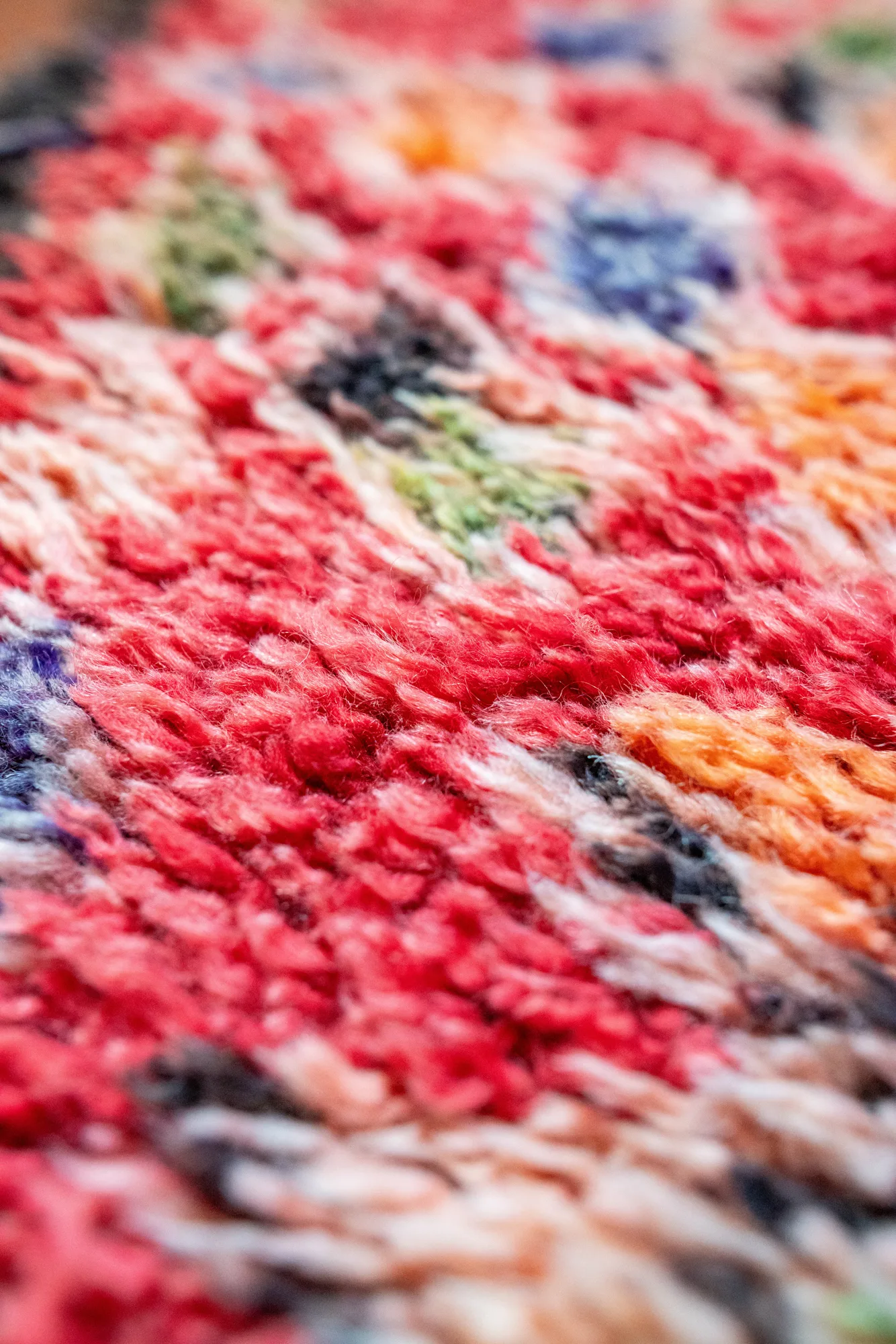
Design & color: Excellent quality, red base with multicolor design.
Knot type: Berber knot

- INTRODUCTION
- DELIVERY & RETURNS
- CARE INSTRUCTIONS
- CRAFTMANSHIP & MATERIAL
- ORIGIN & HISTORY
- ABOUT THE TRIBES
- FAQ
DELIVERY & RETURNS
DELIVERY Free international shipping on all orders. Under normal circumstances your order will be dispatched within 48 hours. RETURNS Full 14 day money back guarantee! Please contact us [email protected] if making a return. Read more...
CARE INSTRUCTIONS
Moroccan Berber rugs are build to last - made to withstand wear and tear. Chemical-free Berber rugs are easy to keep clean, as high-quality and untreated wool resists static, dirt, dust, and wicks away moisture from spills, so all it takes is a kitchen paper to soak up a stain or spill. Wool is antimicrobial so it won’t harbor smells like synthetics do. Berber rug is instantly refreshed by ventilation and vacuuming. Already dried stains can be cleaned at home with Marseille soap. For many, the easy care of a woolen rug comes as a surprise. Read more...
CRAFTMANSHIP & MATERIAL
Thousands of years old skills are inherited from mothers to daughters. Nomad rugs are handmade, knot-by-knot in vertical looms. Authentic Berber rugs are made with piety and love from high-quality materials in a sustainable way, respecting nature. There are several steps in weaving a rug and one rug takes 2 to 12 months, depending on the size, method, number of weavers and pattern. Wool is the most common material used in making Berber rugs. It comes primarily from a long-tailed sheep living in the mountains, although camel and goat hair can also be used. Read more...
ORIGIN & HISTORY
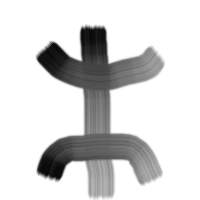
The Berbers call themselves the Amazigh - Free men, which has their own symbol to describe them. Nomads have made nomadic rugs for their own use, such as a warm cloak or a beautiful element covering a wall. Rugs are an important part of women’s self-expression. Women weave rugs intuitively. Nature is often the source of inspiration for rug patterns. For example, on the surface of the fine soft sand of the Sahara you can see, for example, the footprints of a desert mouse that end up in a pattern on a Berber rug. Certain symbolism is often repeated in Berber rugs because they are strongly associated with beliefs. For example, the so-called “diamond pattern” is believed to have a protective effect. Symbols familiar from Berber rugs appear in villages from door carvings to women’s facial tattoos. Read more...
ABOUT THE TRIBES
Beni Ouarain, Azilal, Boujaad, Beni M’Guild and so on; There are numerous Berber tribes. The rugs of the tribes have their typical characteristics. Certain colors, symbols, materials, knot style and -density, and pile thickness vary by region. Beni Ouarain comes from the Middle Atlas region, where the Berber node originates. Tuareg rugs come from Sahara and are made of leather, reeds and palm leaves. Boujaad rugs are woven on the plains around Marrakech, being thinner and lower knot density. Read more...